WE NEED YOUR HELP: SAVE THE ENDANGERED DEEP-WATER OCULINA CORAL REEFS OFF OUR FLORIDA COAST
A deep-sea reef of endangered deep-water Oculina coral reefs stretches along the shelf edge, spanning 135 miles, off the east coast of Florida at depths of 200-300 feet. These beautiful, stately deep-water Oculina reefs are found exclusively here and are not known anywhere else on earth. The reef system consists of numerous individual coral pinnacles, mounds, and ridges that are high relief structures, ranging from 10 to 100 feet in height and rising vertically from the bottom of the ocean. For decades (from the 1970’s to the 90’s), marine scientists explored these unique reefs with submarines and towed cameras. Numerous scientific articles have been published documenting the beauty, biodiversity and importance to fish populations. We know a lot about this reef system and the ecosystem it supports. We need to protect this valuable resource before it’s too late.
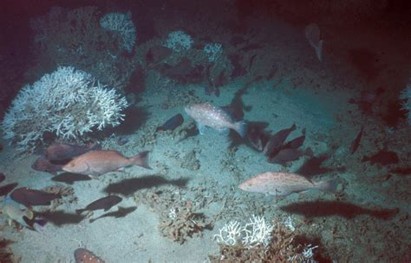
We know that these reefs provide habitat for thousands of species of animals including 230 species of mollusks, 50 species of decapods (crustaceans like shrimp), 21 species of echinoderms (starfish, urchins), numerous other species. Healthy Oculina coral reefs also support over 70 species of fish, commercial and recreational fishermen need the reefs as critical spawning habitat for groupers (Gag, Scamp, Speckled Hind), Black Seabass, Blackfin and Red Snapper, Red Porgy and Blue Angelfish. The grouper and snapper fisheries are some of the most economically valuable fisheries in Florida. The reefs also provide habitat for other rare and unique fishes like schooling basslets. Red Barbier and Roughtongue Bass are only found on the Oculina coral reefs as they spawn and feed there. The Bardrum, was originally found on Oculina coral reefs off east Florida and has been declining. The charismatic Ocean Sunfish, Mola Mola, forages on Oculina reefs.
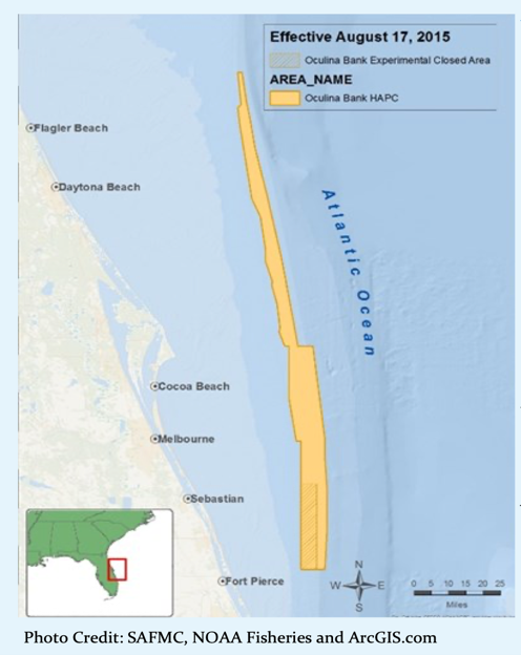
Extending from Fort Pierce to north of Daytona Beach, the reefs were healthy and thriving in early 1970s. But due to lack of enforcement on fishing bans, by the early 2000s, 90% of the reefs had been impacted by bottom shrimp trawling, scallop boats and long lines. Heavy nets and anchors broke fragile corals and sediment kicked up by the nets smothered them. Fishing depleted the important snappers and groupers that spawned there.
The history of trying to protect these rare deep sea coral formations began in 1984 when the southern portion of the Oculina reefs was made the first deep sea coral protected area in the world and banned all destructive fishing gear such as bottom shrimp trawls. This was called the Oculina Habitat Area of Particular concern (OHAPC). By 2016 the area of known Oculina reefs extended from Fort Pierce to Daytona. In the past five years, the South Atlantic Fishery Management Council considered proposals to open the area next to the coral reefs to destructive bottom trawling. The most recent attempt, pushed by the rock shrimp fishermen in January 2026 - Coral Amendment 11 and Shrimp Amendment 12, allow shrimp trawls within the northern portion of Oculina HAPC.
Right now, Coral Amendment 11 and Shrimp Amendment 12 are being reviewed by NOAA Fisheries. A coalition of local environmental organizations (Conservation Alliance of St. Lucie County, Florida Ocean Oceanographic Society, Indian River Keeper and others) and national organizations (Oceana, NRDC, Marine Conservation Institute and others) have been fighting against these and similar proposals since 2021. We won the first round of this battle in 2022; we can win again with your help.
There is no justifiable reason to destroy ancient deep-sea Oculina coral reefs for the short-term economic benefit of few individual rock shrimp fishermen. This reef must remain protected. When coral habitat is destroyed, the countless fish and marine species that depend on it disappear as well. Once these fragile reefs are damaged, they may take centuries to recover, if they recover at all. We believe this rare and irreplaceable Florida ecosystem belongs to all Floridians, not a few individuals who stand to gain by exploiting it. We believe we have a responsibility to ourselves, our children and grandchildren to protect this wondrous area and safeguard the biodiversity that depends on these deep-sea coral ecosystems to survive.
HERE’S HOW YOU CAN HELP SAVE THE DEEP-SEA OCULINA CORALS OFF FLORIDA’S COAST:
- Submit public comments
Your comments will be sent directly to NOAA National Marine Fisheries Service, urging them to oppose this destructive proposal and protect Florida’s deep-sea coral reefs. Click the link below to send your comments! - Contact your elected officials
Your comments will be sent directly to your U.S. Congressman and Senators telling them you strongly oppose any expansion of destructive fishing practices that damage Oculina coral habitat. Personal messages from constituents make a real impact. Fill out the form below to send your comments! - Spread awareness in your community
Write a letter to the editor, submit an opinion piece, call into local radio programs, or share information with friends and neighbors. Public pressure and community awareness can influence decision-makers and help protect these reefs before it’s too late.
Information Sources and Websites:
Florida Oceanographic Society petition to save Oculina coral reefs https://www.floridaocean.org/protect-oculina
https://www.floridaocean.org/blog/floridas-hidden-coral-forest
Conservation Alliance of St. Lucie County https://conservationallianceslc.org
Indian River Keeper https://www.theindianriverkeeper.org
Scientist sign-on letter explaining scientific basis for NOAA to save Oculina https://act.marine-conservation.org/scientists-letter-oculina-reef/
WPTV5 story and reporter post on saving the Oculina reefs https://www.facebook.com/WPTV5/posts/-rare-coral-reef-at-risk-the-oculina-bank-one-of-the-worlds-rarest-deepwater-cor/1437501864409650/
https://www.instagram.com/reel/DTwCmoJDilg/
Smithsonian Marine Station YouTube: Florida's Deep-Water Oculina Coral Reefs: A National Treasure in Peril by John Reed, Harbor Branch Oceanographic Institute https://www.youtube.com/watch?v=INSLJ8Tyxq4&t=72s
NOAA webpage with details of the proposal to trawl for rock shrimp in buffer strip next to the fragile deep-sea Oculina coral reefs in the area currently protected. https://www.fisheries.noaa.gov/action/coral-amendment-11-shrimp-amendment-12-establish-shrimp-fishery-access-area