Florida Oceanographic Society is a nonprofit organization based in Stuart, Florida, dedicated to inspiring environmental stewardship of Florida’s coastal ecosystems through education, research, and advocacy.
Volunteers are an essential part of Florida Oceanographic. More than 250 dedicated community members donate their time and talents each year, contributing over 13,000 hours in support of our programs, guests, animals, research initiatives, and conservation efforts.
We offer a variety of volunteer opportunities with Florida Oceanographic Society. We invite you to explore the volunteer role descriptions below, complete an online application, and attend a Volunteer Interest Session to learn more about our organization and how you can get involved. Please note that while all volunteer roles are listed below, not all opportunities are actively recruiting volunteers at all times.
If you have questions about volunteering or would like to attend an upcoming Volunteer Interest Session, please contact Rosemary Badger, CVA, Volunteer Coordinator, at 772.225.0505 ext. 109 or email [email protected] for more information.
Please note: Florida Oceanographic Society is a non-profit based out of Stuart, FL. All volunteer opportunities are localized within the Treasure Coast community.
Complete Our Online Volunteer Application
*If you are between the ages of 16 and 17 you may need to fill out an essay (located on the volunteer application) and submit 2 teacher recommendation forms.
Download the teacher recommendation form here.
Click Here to register for a Volunteer Info Session
Click Here to view the Volunteer FAQ
Part of a club, company, homeschool group or a large family that wants to give back to our community?
Volunteer job Descriptions
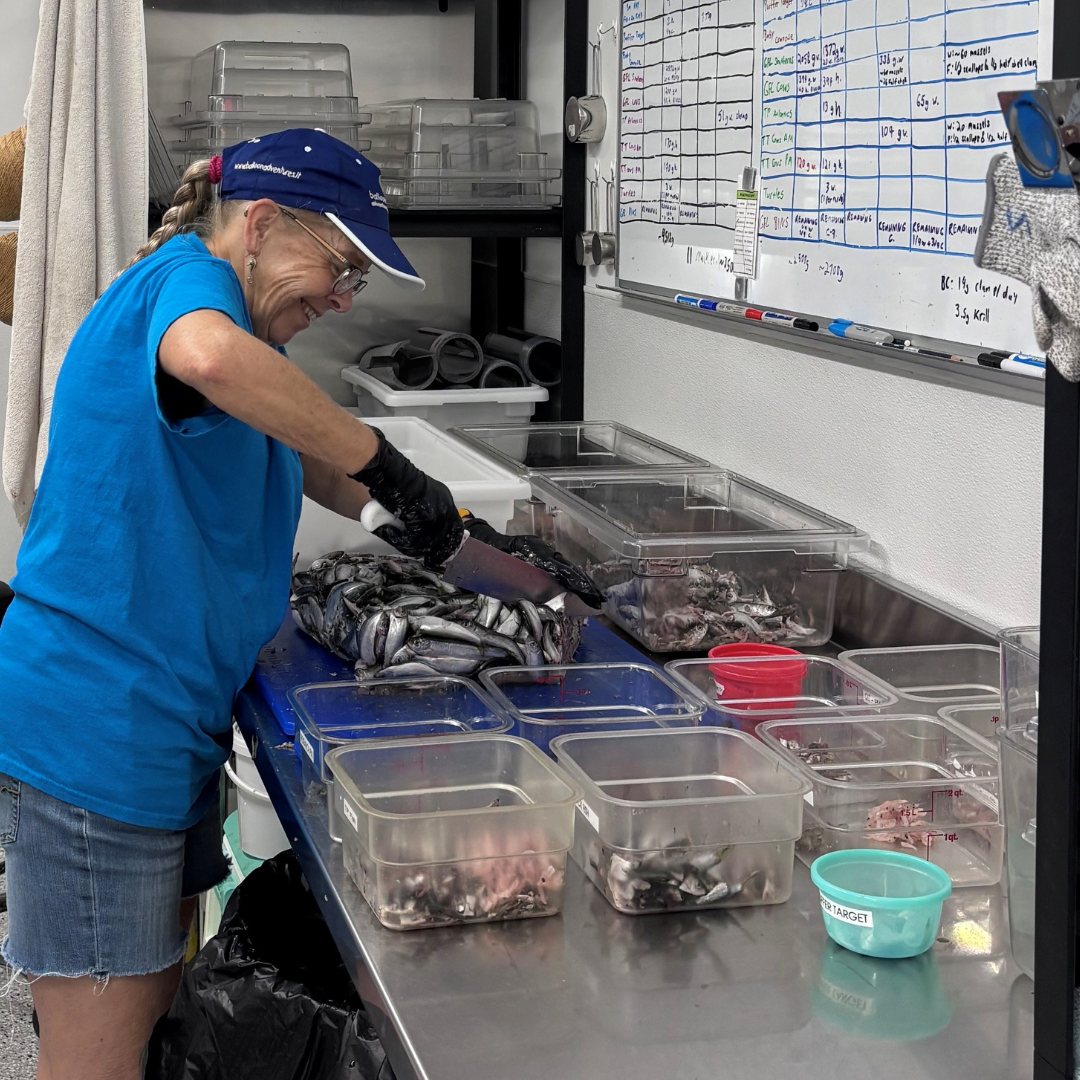
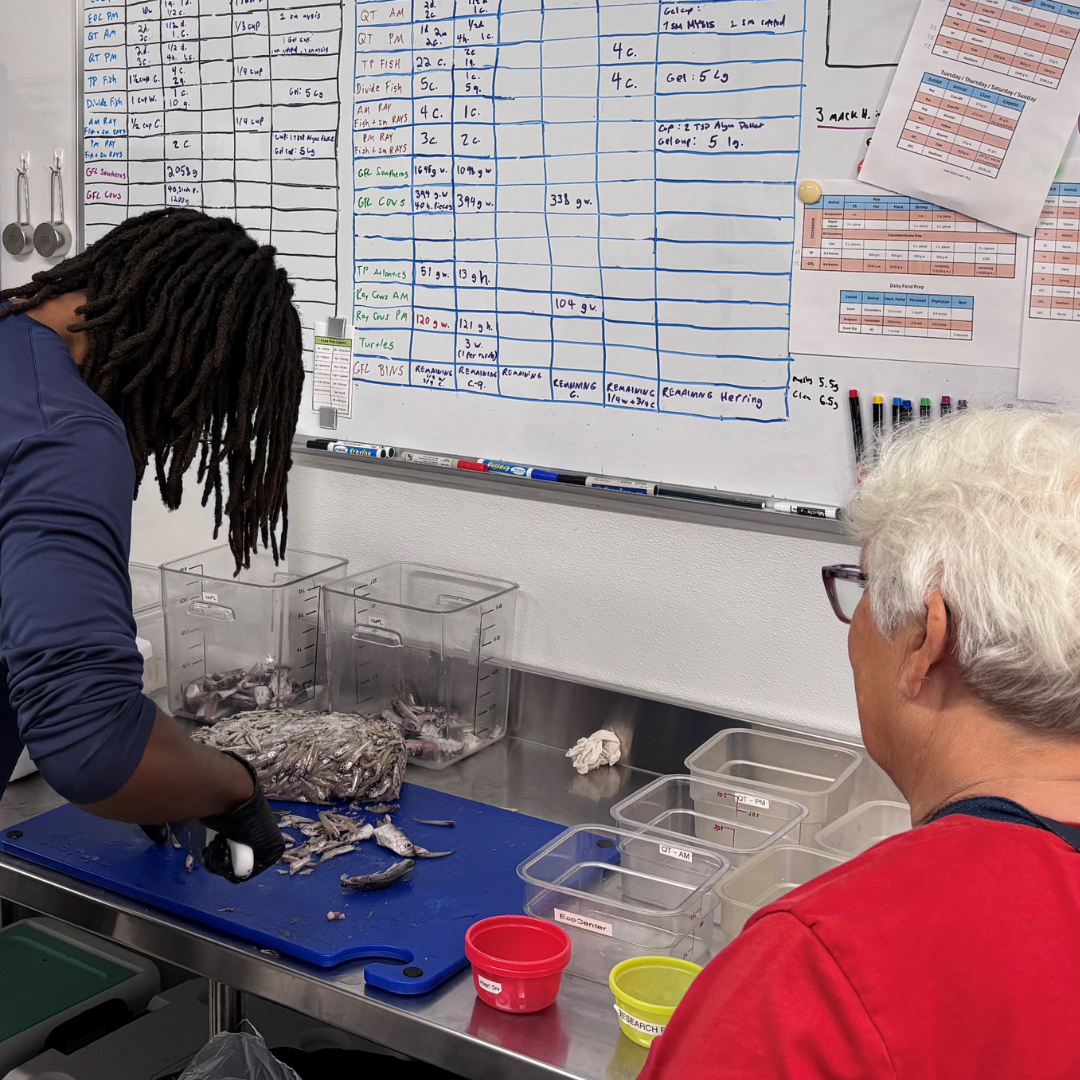
Our Animal Care food prep area plays a vital role in the daily care of our animal ambassadors and the guest experience at the Coastal Center. Volunteers support Animal Care staff by preparing diets, and maintaining a clean, sanitary workspace. This early morning role ensures animals receive proper nutrition for the day’s feedings.
Volunteers must be at least 18 years old, registered as a Florida Oceanographic Volunteer, able to make a minimum six-month minimum commitment, and complete orientation and hands-on training. Year-round residency is preferred. This is a weekly two-hour shift (8:00–10:00 a.m.)
Volunteer must be able to lift to 30 lbs., stand for extended periods, safely handle frozen food and sharp tools, follow food safety protocols, work with attention to detail, and be comfortable working independently and as part of a team.
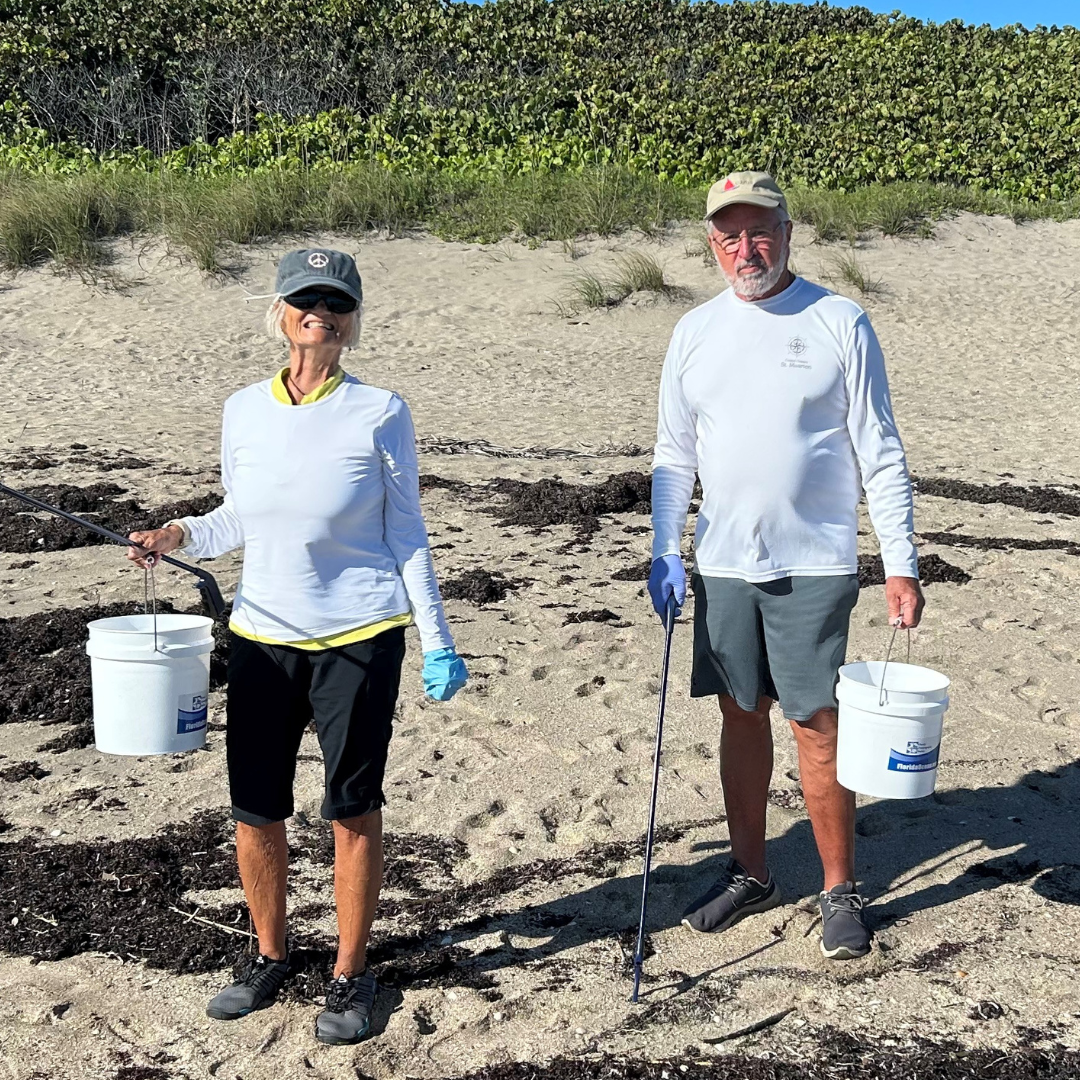
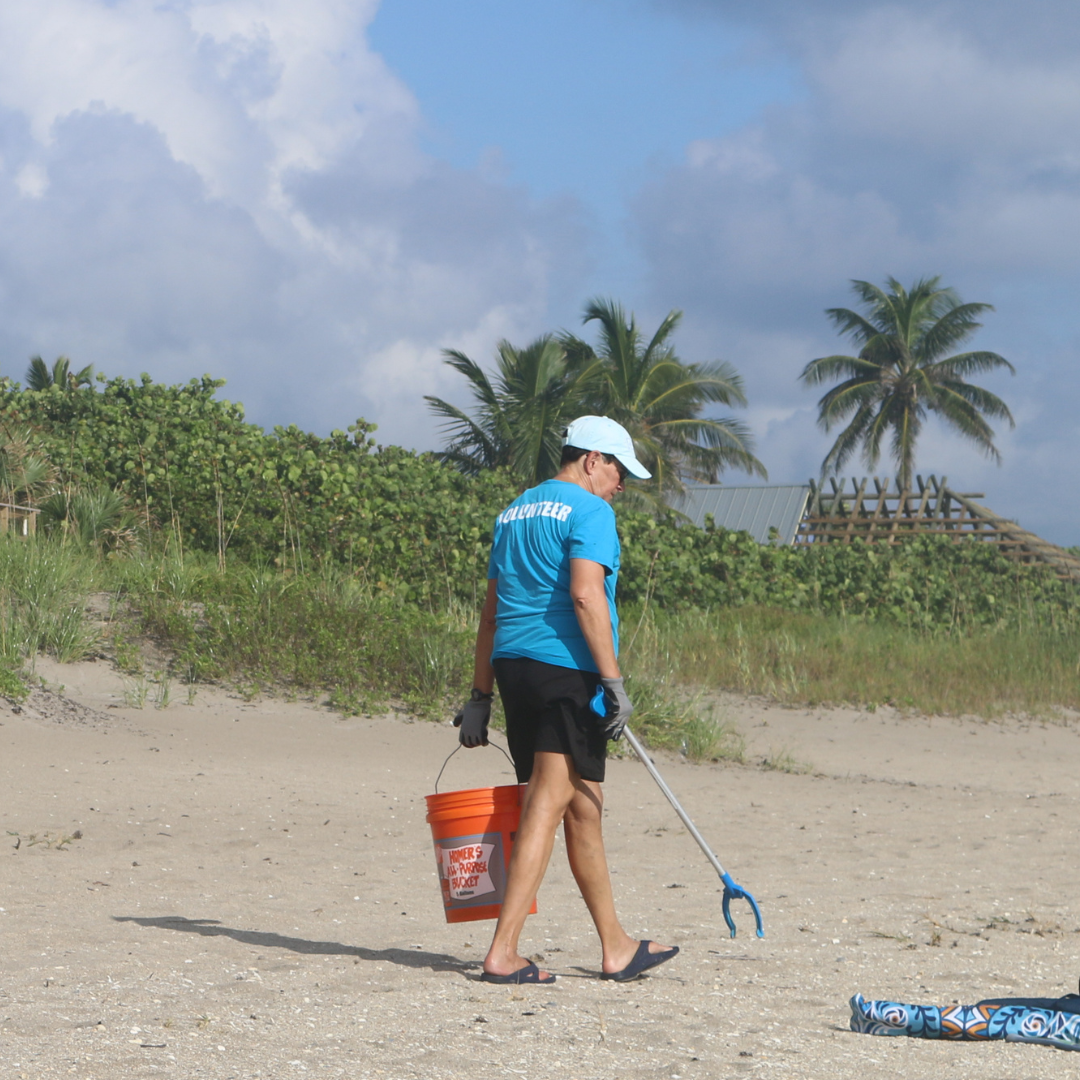
Help Florida Oceanographic Society keep our local beaches clean! This volunteer program allows participants to conduct a beach cleanup at their convenience. It is as easy as registering to be a Florida Oceanographic volunteer, downloading the approved app, and beginning your cleanup. Please note that if you are looking to get credit for volunteer hours, you must get pre-approval from Florida Oceanographic’s Volunteer Coordinator. Available for Martin and St. Lucie County residents only. This opportunity is for anyone any age. Those under 16 need to be accompanied by a parent/guardian.
The Beach Cleanup Program provides the opportunity for families, individuals and groups to participate in beach cleanups at a time most convenient for them. Every one of us can do something to help protect our environment. Take action today, and every day, by removing trash and man-made debris from areas where it doesn't belong.
- Complete the online Florida Oceanographic volunteer application found at Volunteer. All minors must be accompanied by an adult during any beach cleanup.
- Download and register with the MyCoast app.
- If you are looking to get credit for volunteer hours, please email Volunteer Coordinator Rosemary Badger at [email protected] so that we can get you properly setup in our system. Without prior approval, your hours may not be able to be verified.
- We have adopted Stuart Beach, Waveland Beach, Jensen Beach, Stuart Causeway Park, and Jensen Causeway Park. When you arrive at the designated beach, login into the MyCoast app, select the correct beach and Florida Oceanographic Society as the organization. Make sure to take a photo of your collected trash and upload it to your app. Then dispose of your trash and recyclables properly.
- Send an email to Volunteer Coordinator Rosemary Badger at [email protected] once completed so your beach cleanup can be verified with MyCoast.org and you can receive volunteer hours. Florida Oceanographic tracks and reports hours that individuals spend on volunteer activities, including beach cleanups, in our annual Impact Report.
Cleanup Tips:
- Use a bucket for your trash instead of a trash bag to cut down on plastic waste.
- Be mindful of the wind so items you collect don’t blow out of your bucket/bag.
- Gloves or trash pickers are recommended for your safety.
- Don’t forget for the small items, such as broken pieces of plastic, as they can do just as much harm to wildlife as the big pieces.
- Avoid walking in the dunes.
- Properly dispose of all trash/marine debris after cleanup.
Thank you for taking the time to cleanup and participating in this program! You are making a difference for the environment in your community!
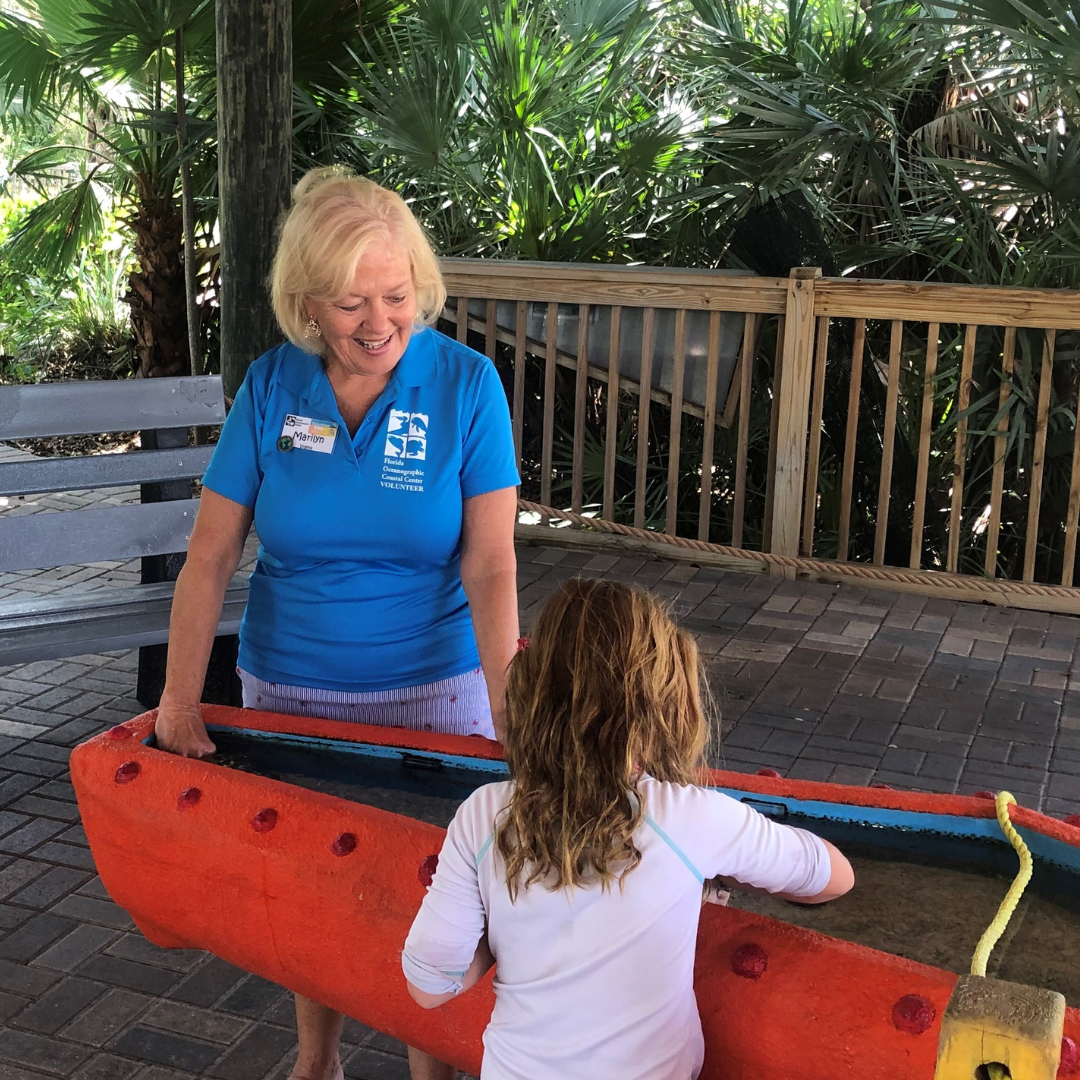
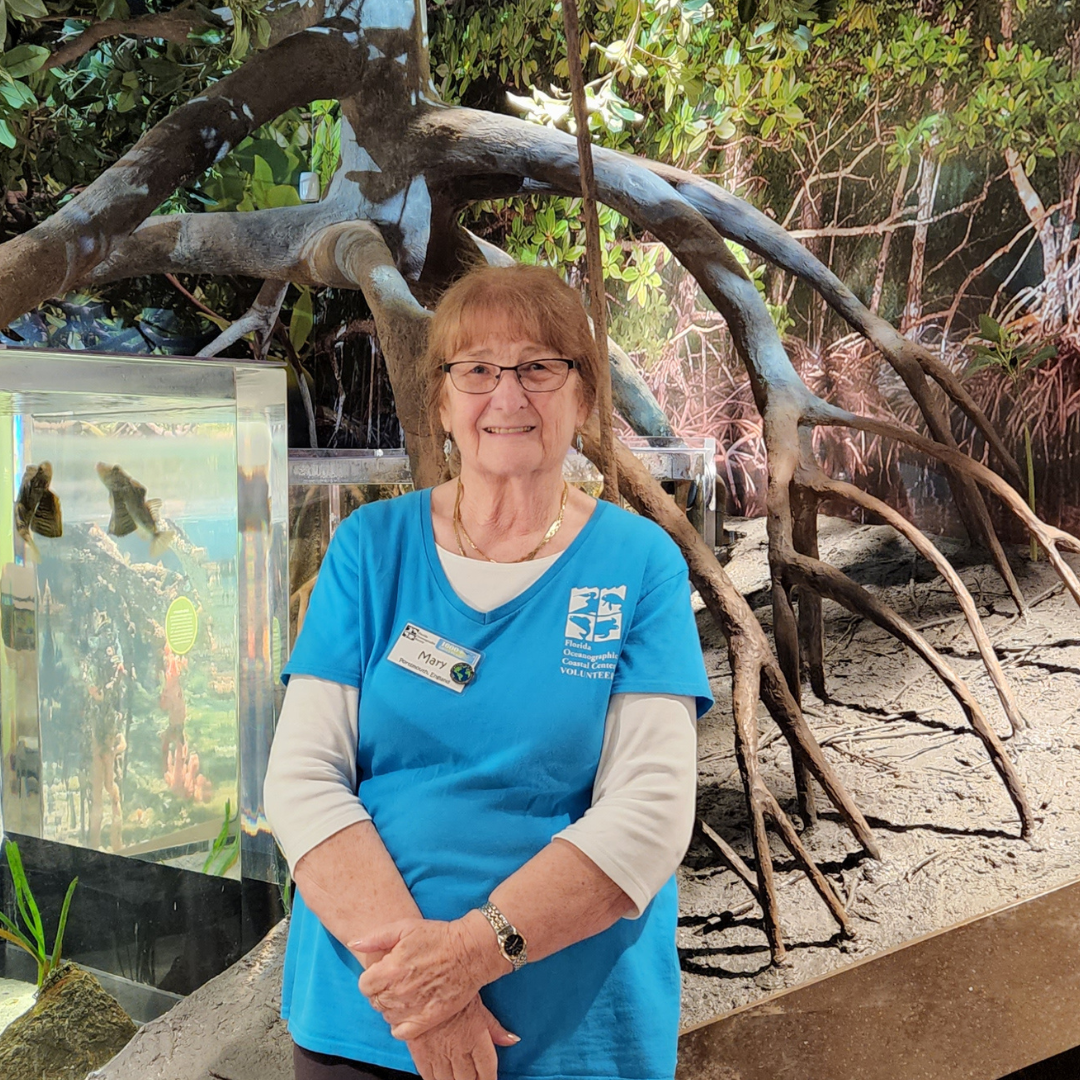
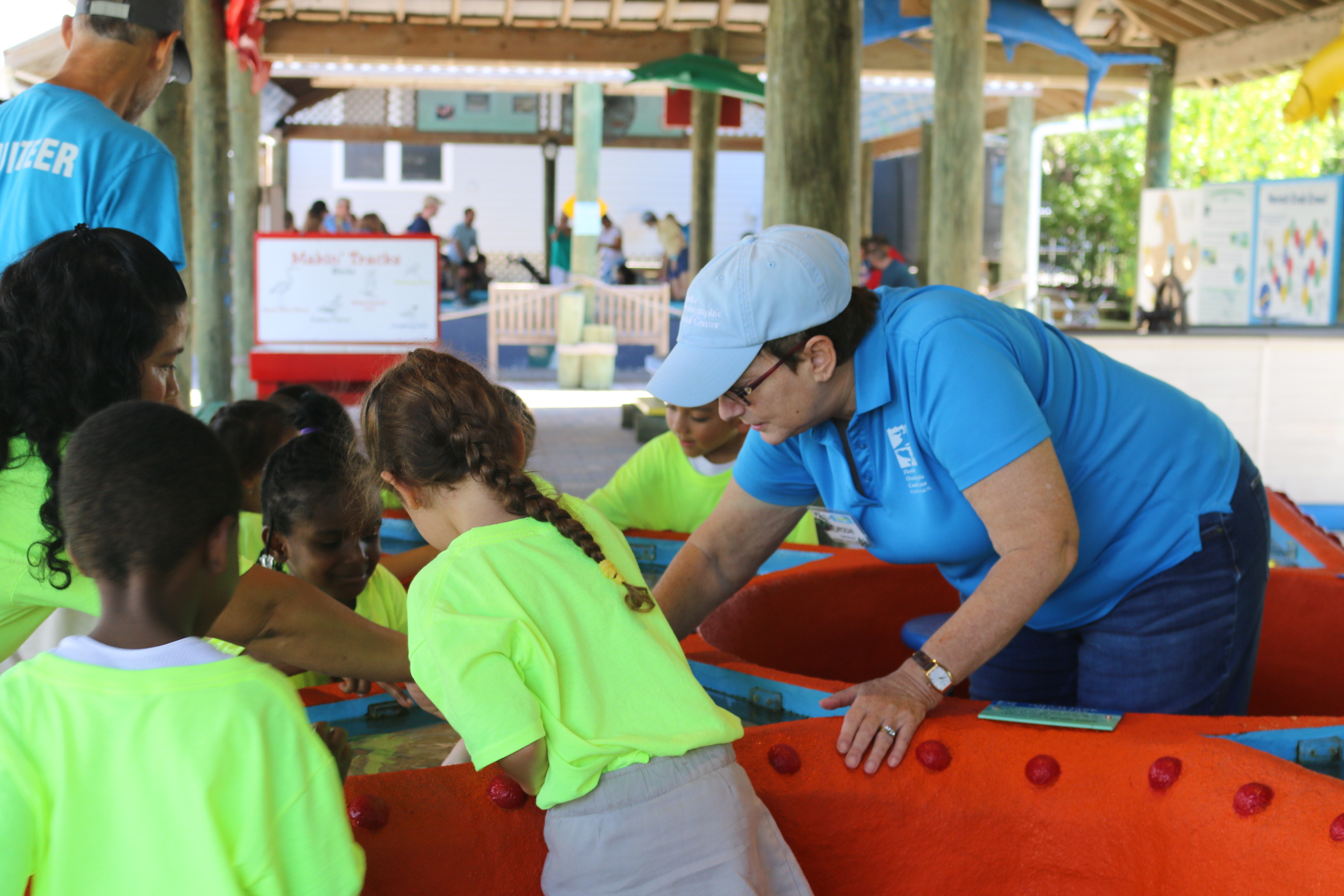
Are you passionate about the environment? Do you enjoy working with children and adults? If you are a people person and comfortable around marine life, consider joining our team of Exhibit Guide . Volunteers work at our Invertebrate Touch Tank and inside our Ocean EcoCenter, engaging directly with guests to support hands-on learning and environmental education.
Volunteers must be at least 16 years old, registered as a Florida Oceanographic Volunteer, and complete orientation and hands-on training. Volunteer shifts are 3 hours per week, with a minimum one-year commitment required. Youth volunteers applying for Exhibit Guide must submit a 500-word essay with their application and provide two teacher recommendations.
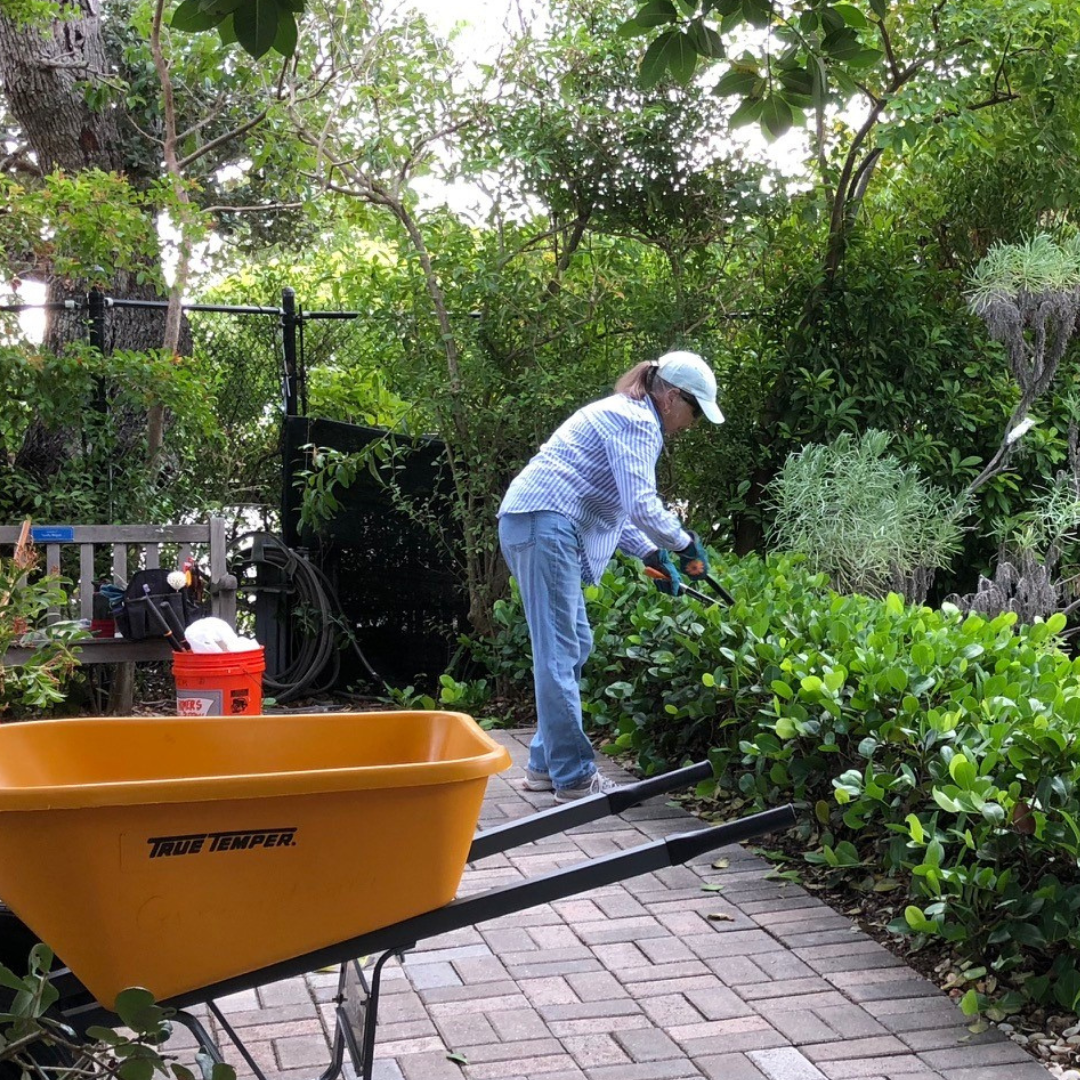
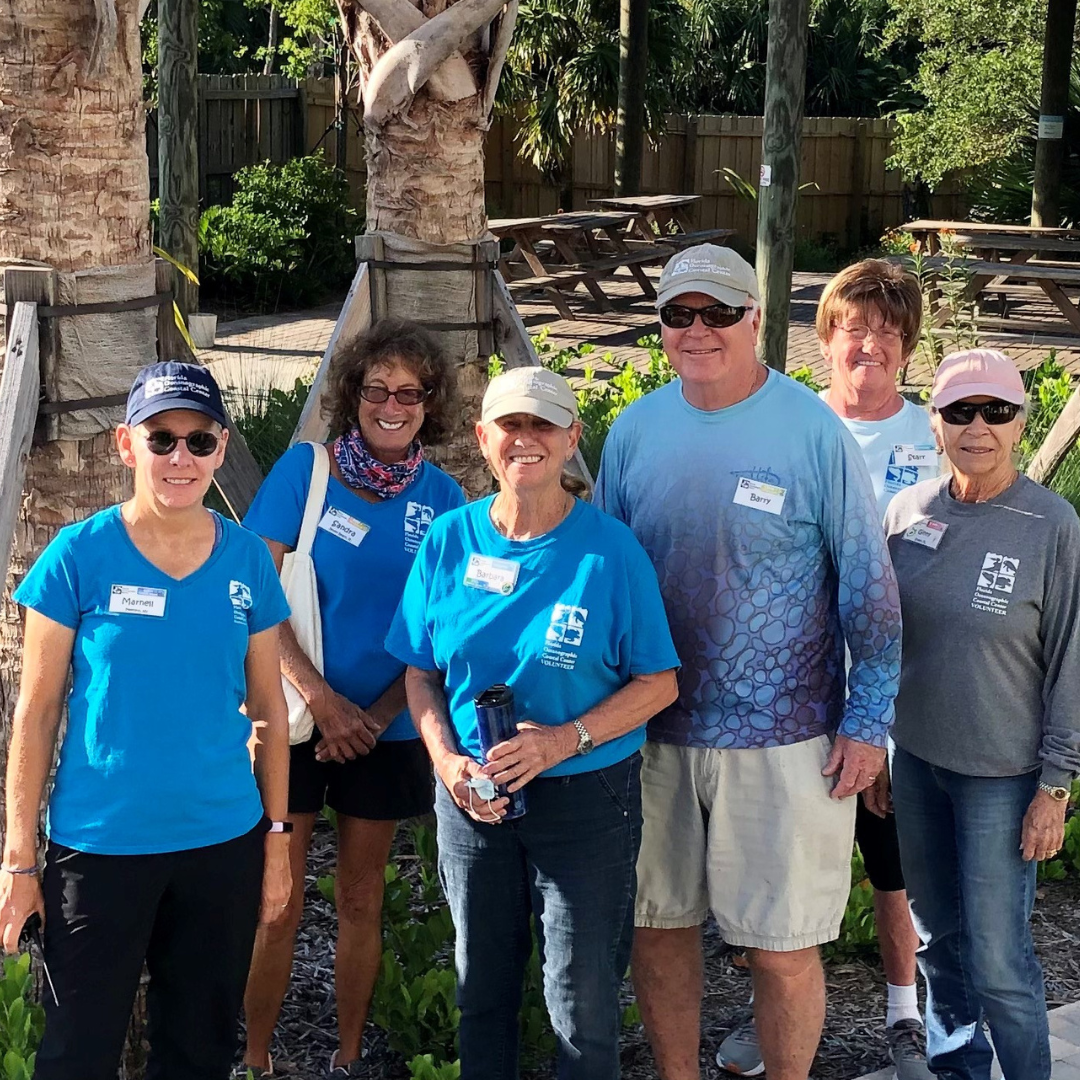
Help keep the Florida Oceanographic Coastal Center beautiful and welcoming for our guests. Green Team volunteers assist with maintaining the butterfly garden and natural areas throughout campus by weeding, pruning, planting native species, monitoring plant health, and supporting landscaping projects.
Volunteers must be at least 18 years old, registered as a Florida Oceanographic Volunteer, able to make a minimum six-month minimum commitment, and complete orientation and hands-on training.
Volunteers should be comfortable working outdoors in Florida conditions, including heat, humidity, sun, and occasional rain. The role requires standing, bending, kneeling, and navigating uneven terrain while performing routine landscape maintenance.
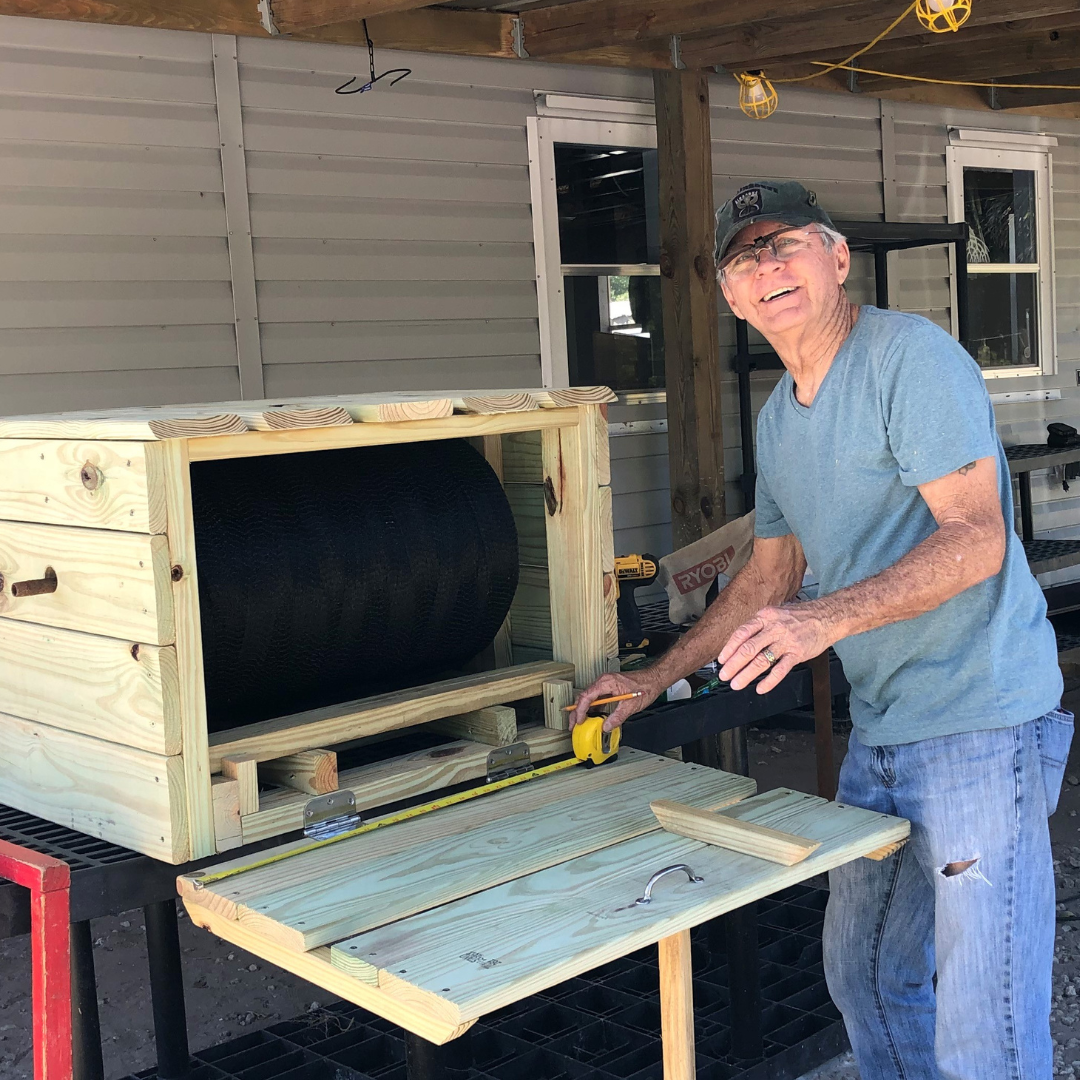
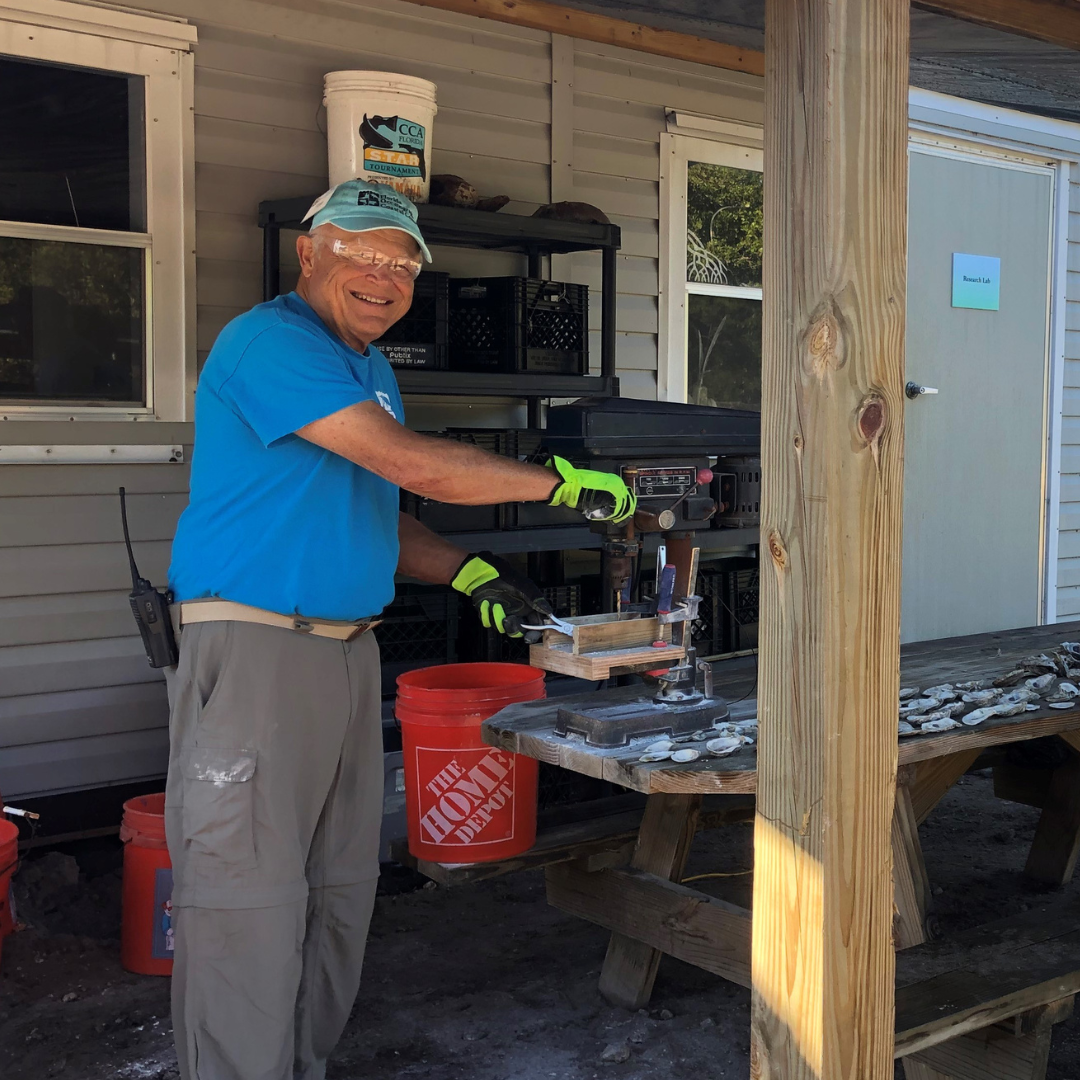
This role supports Florida Oceanographic’s Operations Team with a variety of hands-on maintenance and improvement projects across campus. Volunteers assist with carpentry, painting, and minor repairs, and other facility-related projects, helping ensure the campus remains safe, well-maintained, and welcoming.
Volunteers must be at least 18 years old, registered as a Florida Oceanographic Volunteer, able to make a minimum six-month minimum commitment, and complete orientation and hands-on training.
Volunteers must be able to work outdoors in Florida conditions, including heat, humidity, sun, and occasional rain. The role requires the ability to lift to 30 lbs., stand for extended periods, and navigate uneven terrain, and work around insects, noise, and dust.
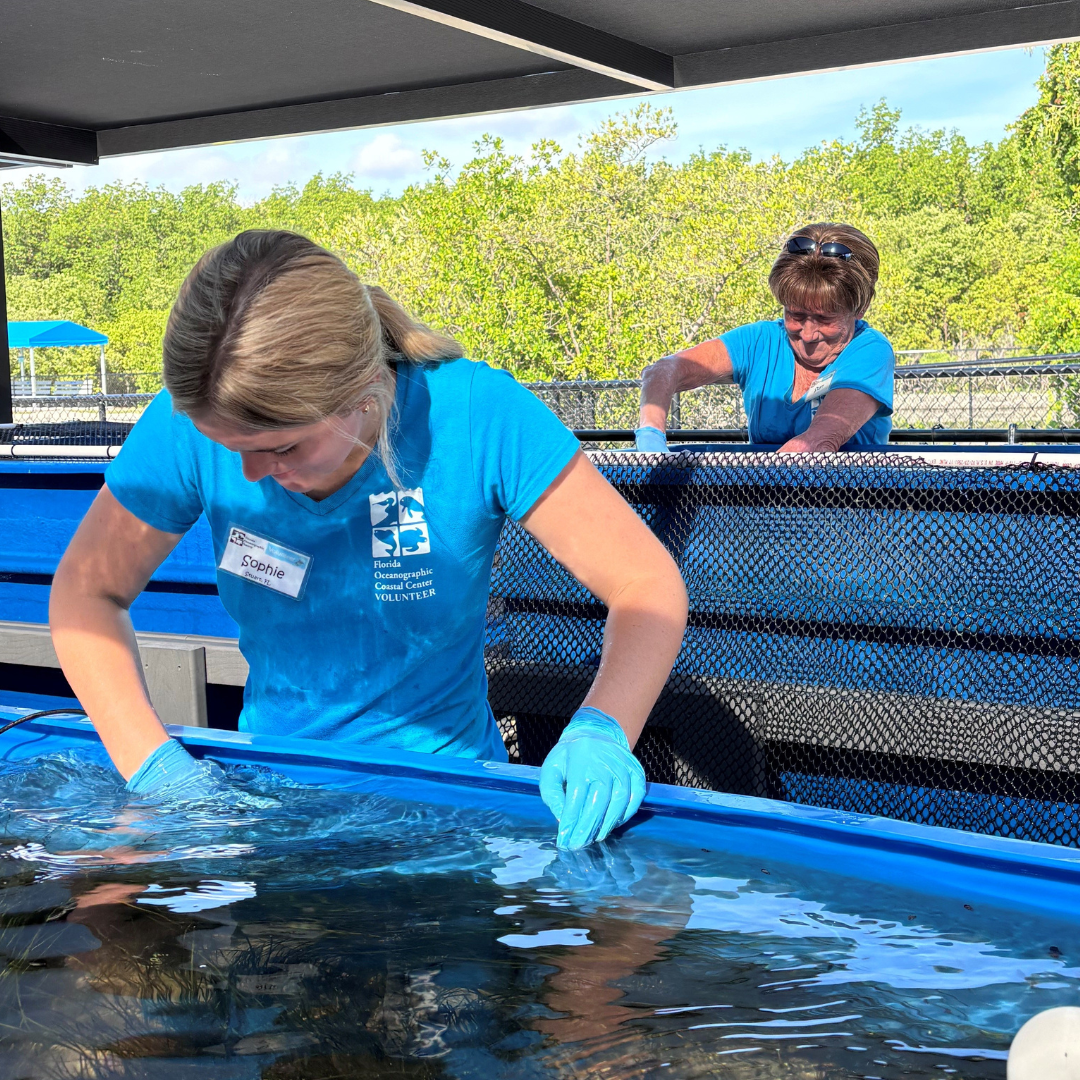
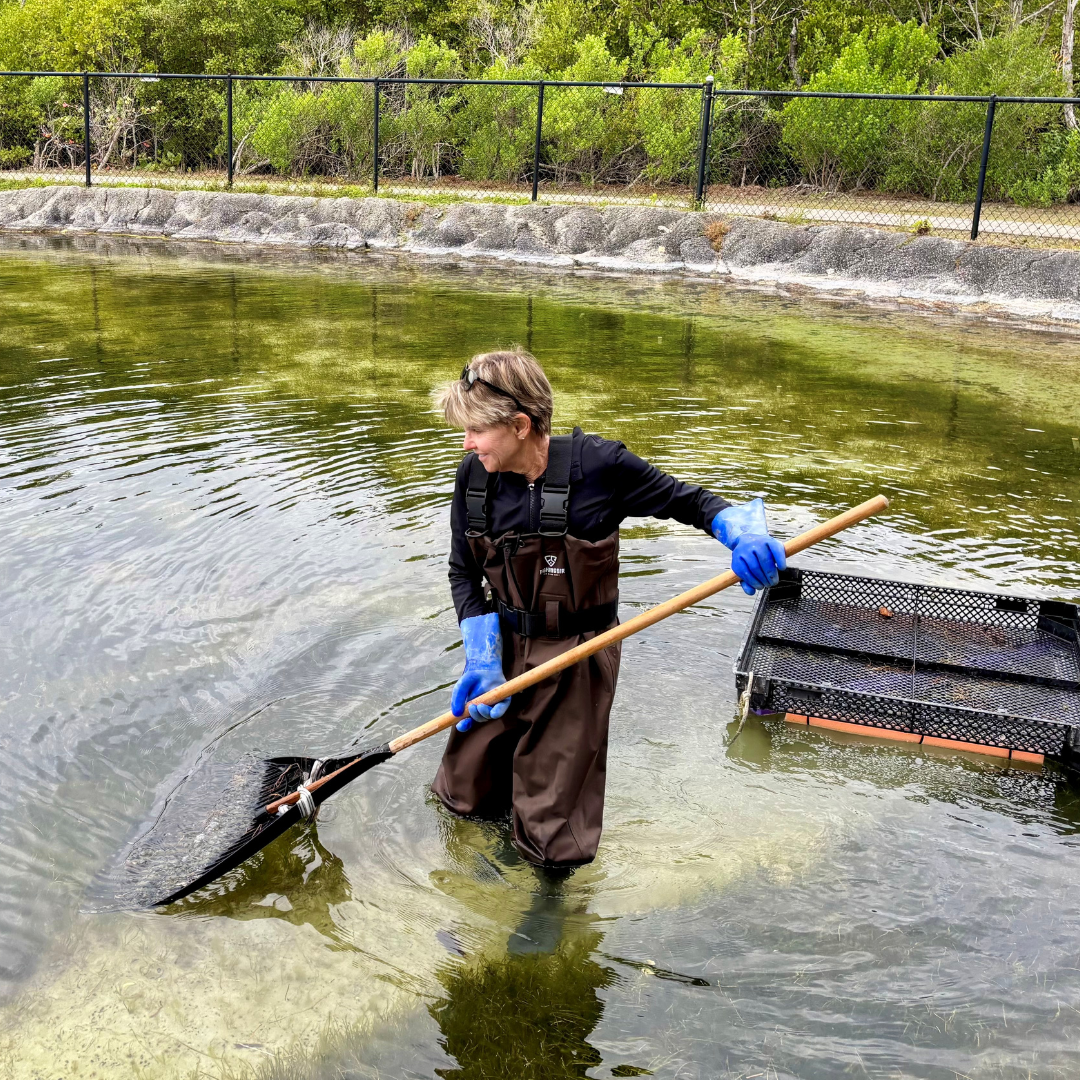
Florida Oceanographic Society’s FOSTER (Florida Oceanographic Seagrass Training, Education and Restoration) program engages volunteers in hands-on seagrass restoration while educating the public about the importance of seagrass habitats.
Volunteers help maintain our seagrass nursery tanks and wetlab systems by removing algae, cleaning tanks, and cleaning detritus. This work supports plant health and system cleanliness while contributing to restoration and research efforts.
Volunteers must be at least 16 years old, registered as a Florida Oceanographic Volunteer, able to make a minimum six-month minimum commitment, and complete orientation and hands-on training. Volunteers typically serve about two hours per week. Seagrass matting events are occasionally offered and are advertised through our website, social media, and newsletters.
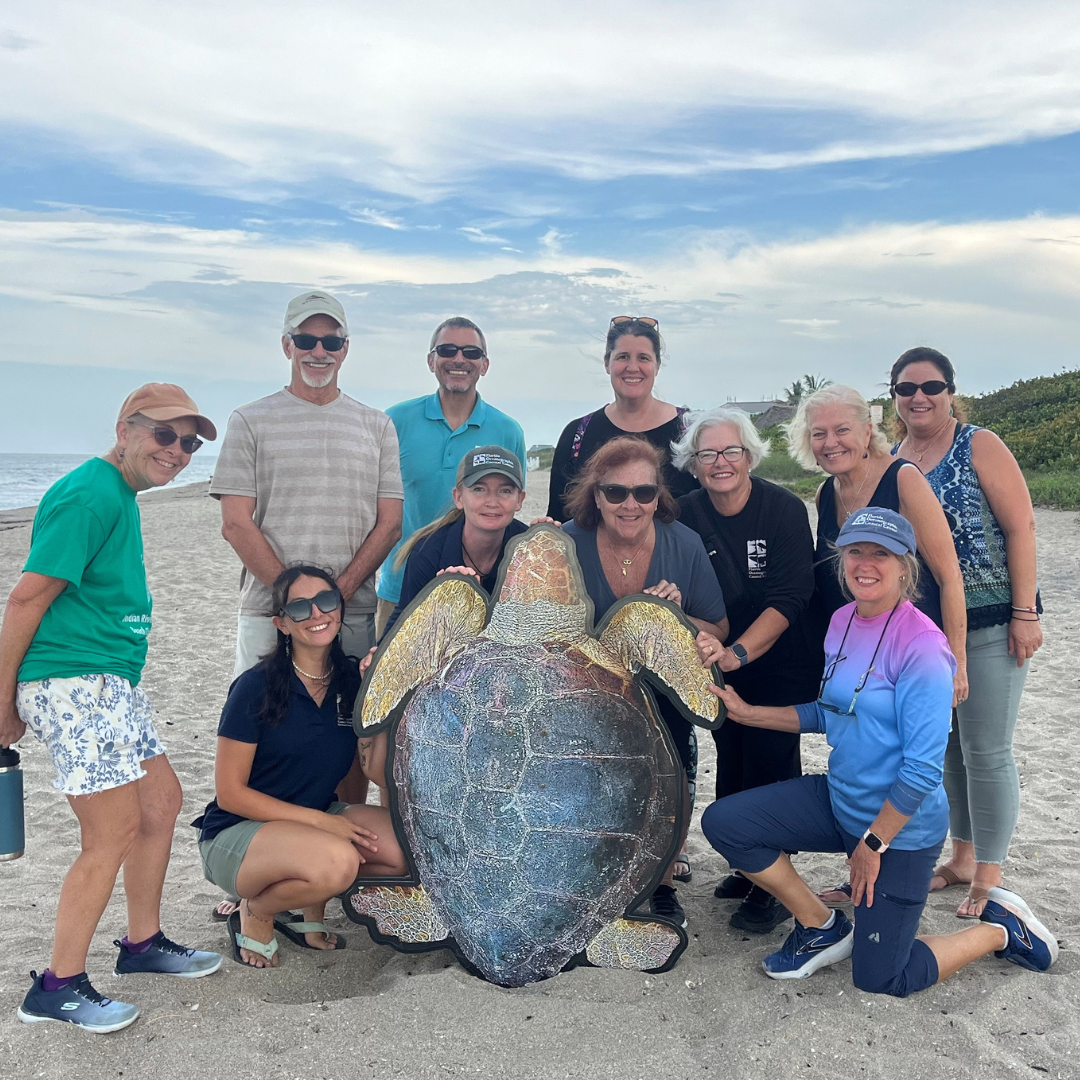
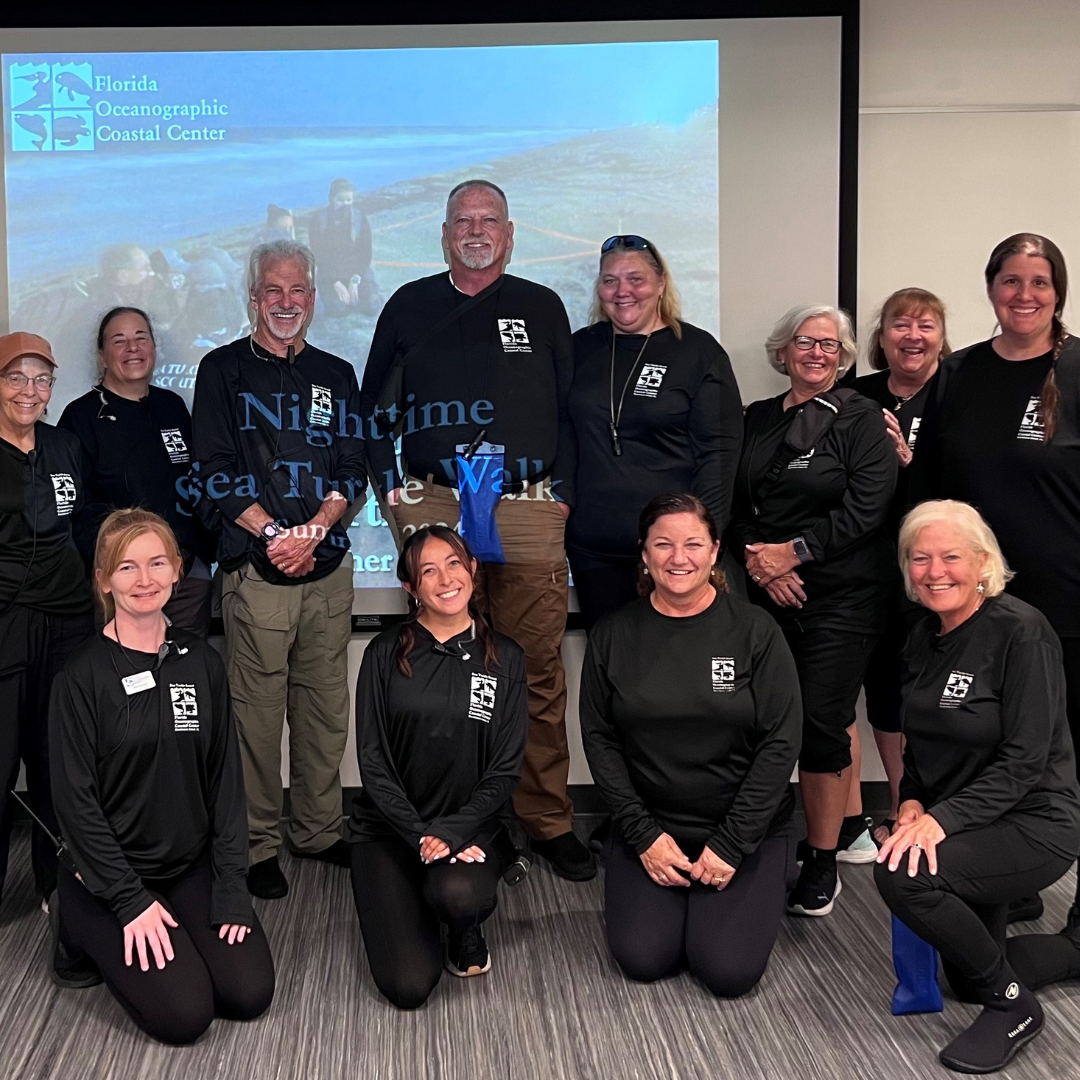
During summer, our Education Department hosts Sea Turtle Walks where guests attend an indoor presentation while Sea Turtle Scouts walk the beach with Education Staff searching for nesting loggerhead turtles. Scouts assist staff with radio communication and crowd management at nesting sites. Volunteers must be at least 21 years old, registered as a Florida Oceanographic Volunteer, complete orientation and hands-on training and be available during the summer sea turtle nesting season. This role requires a minimum three-year commitment.
Volunteers must be able to work in hot, humid, buggy, and occasionally rainy conditions, stand for extended periods, walk up to three miles on sand, and remain outdoors late at night, often past midnight depending on nesting activity.
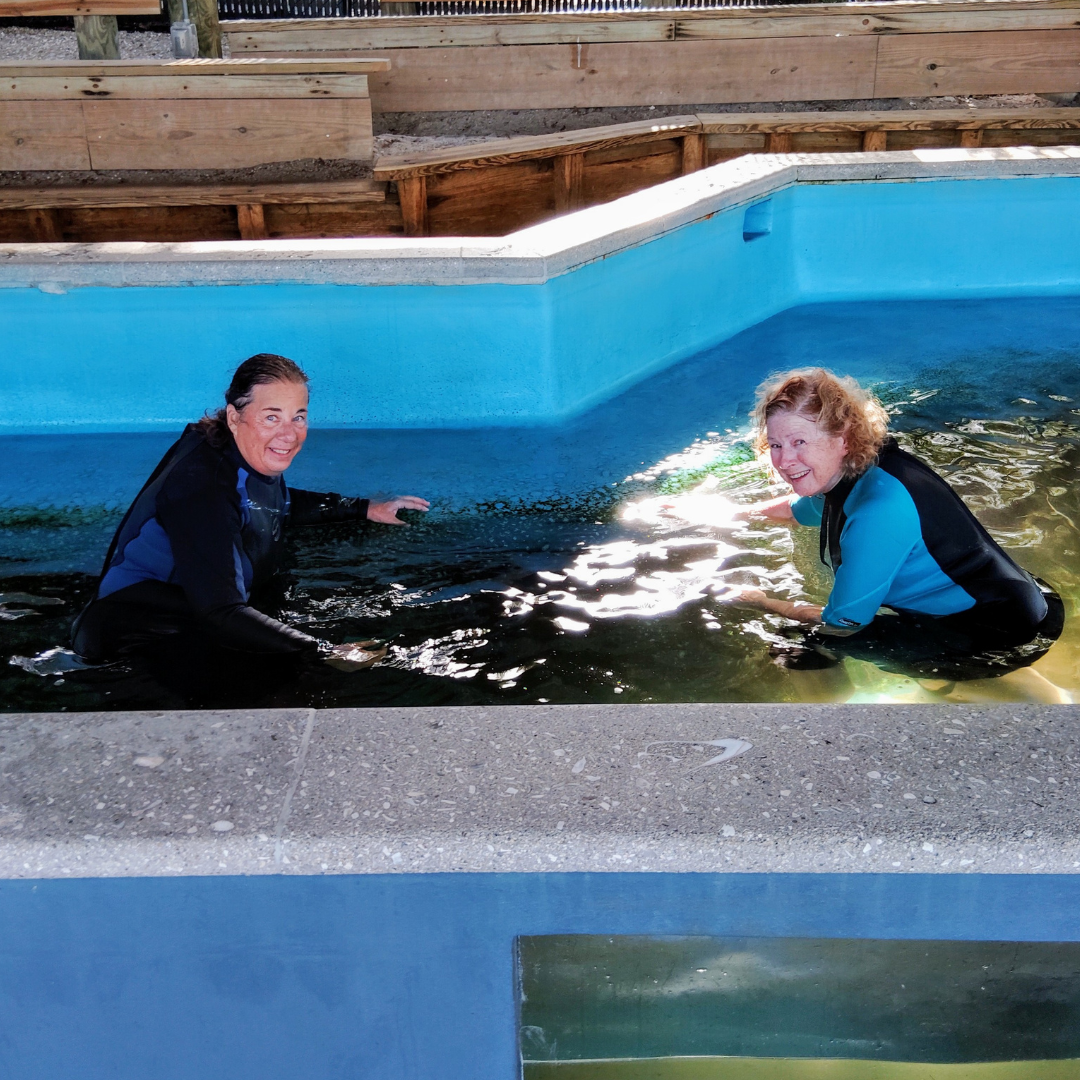
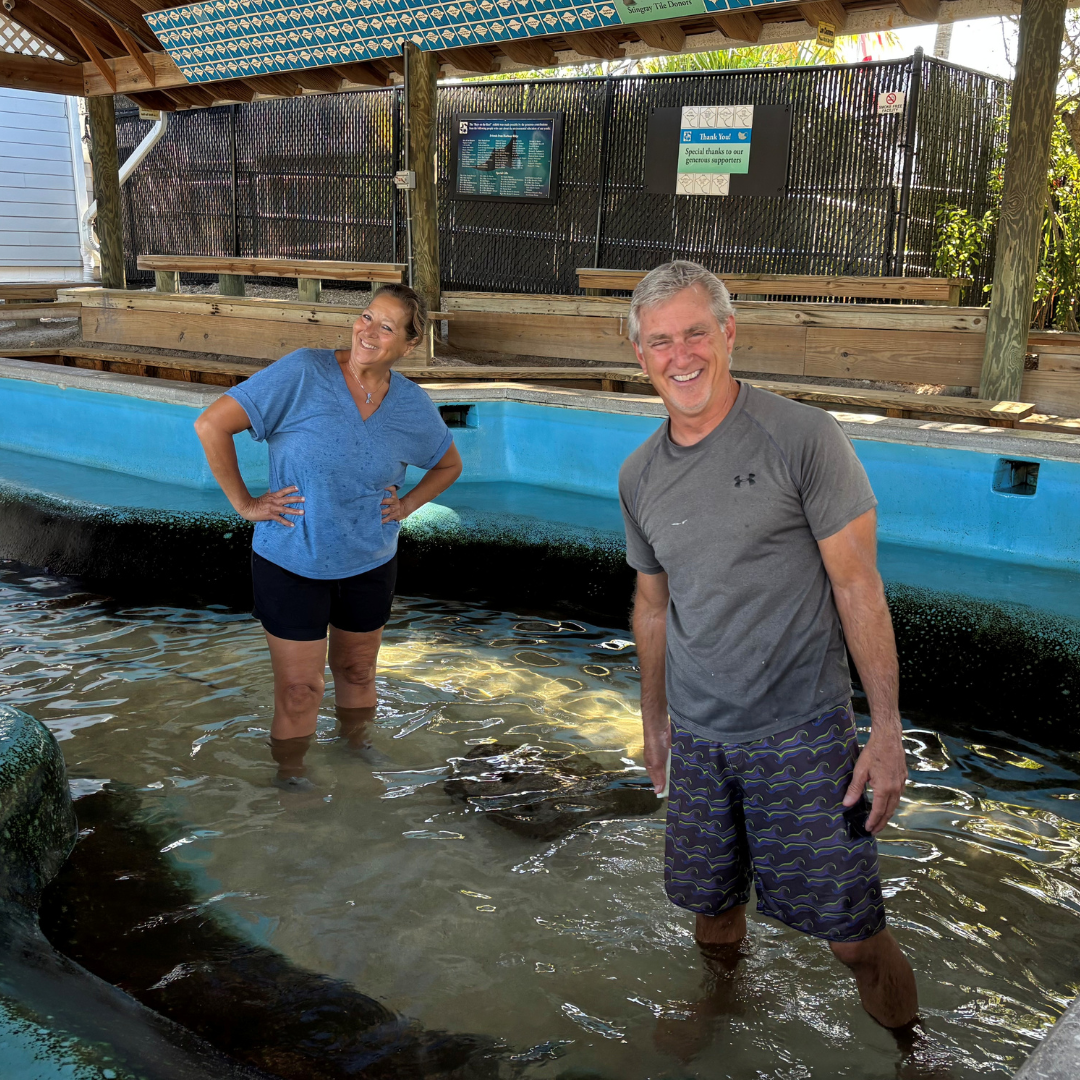
The Stingray Tank is one of the Coastal Center’s signature exhibits, and keeping it clean is essential for animal health and guest viewing. Volunteers support Animal Care staff by entering the tank to scrub surfaces and maintain a clean, algae-free environment before daily programming begins.
Volunteers must be at least 16 years old, registered as a Florida Oceanographic Volunteer, able to make a six-month minimum commitment, and complete orientation and hands-on training. This is a weekly 1.5-hour morning shift (8:00–9:30 a.m.).
Volunteers must be comfortable working in wet, slippery conditions and follow all animal safety protocols, including restrictions on lotions, creams, and fabric softeners. This is a physically demanding role focused on maintaining a safe and healthy habitat for our stingrays.
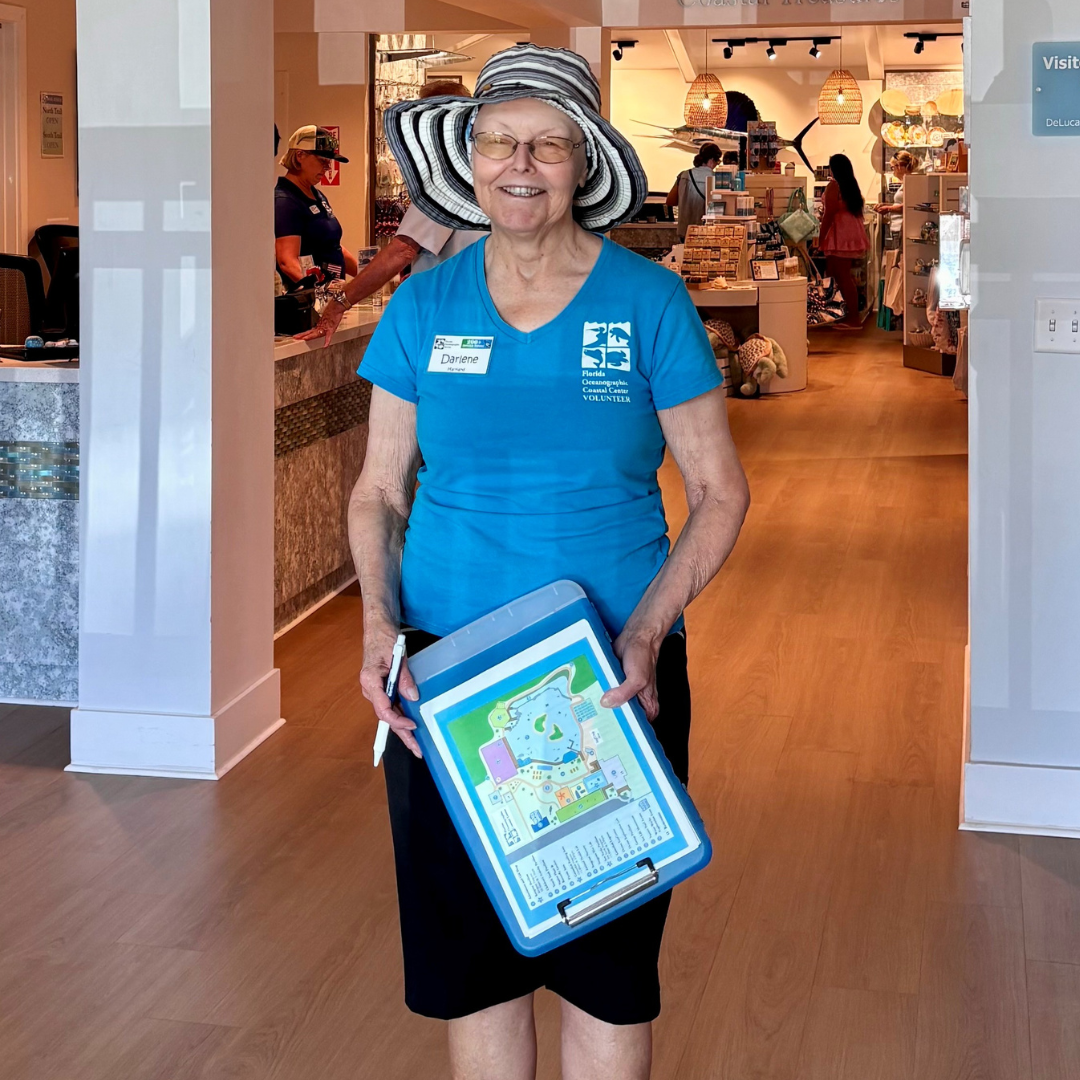
All guests enter the Florida Oceanographic Coastal Center through the Francis Langford Visitors Center, making this role the first point of contact for visitors. Visitor Services Greeters welcome guests, provide site orientation, share information about daily activities, answer questions, and assist with guest experience surveys.
Volunteers must be at least 18 years old, registered as a Florida Oceanographic Volunteer, able to make a six-month commitment, complete orientation, and hands-on training. Shifts are typically 10am-2pm.
Volunteers should be comfortable engaging with guests of all ages, working independently and as part of a team, and participating in ongoing learning about the Coastal Center and its mission.
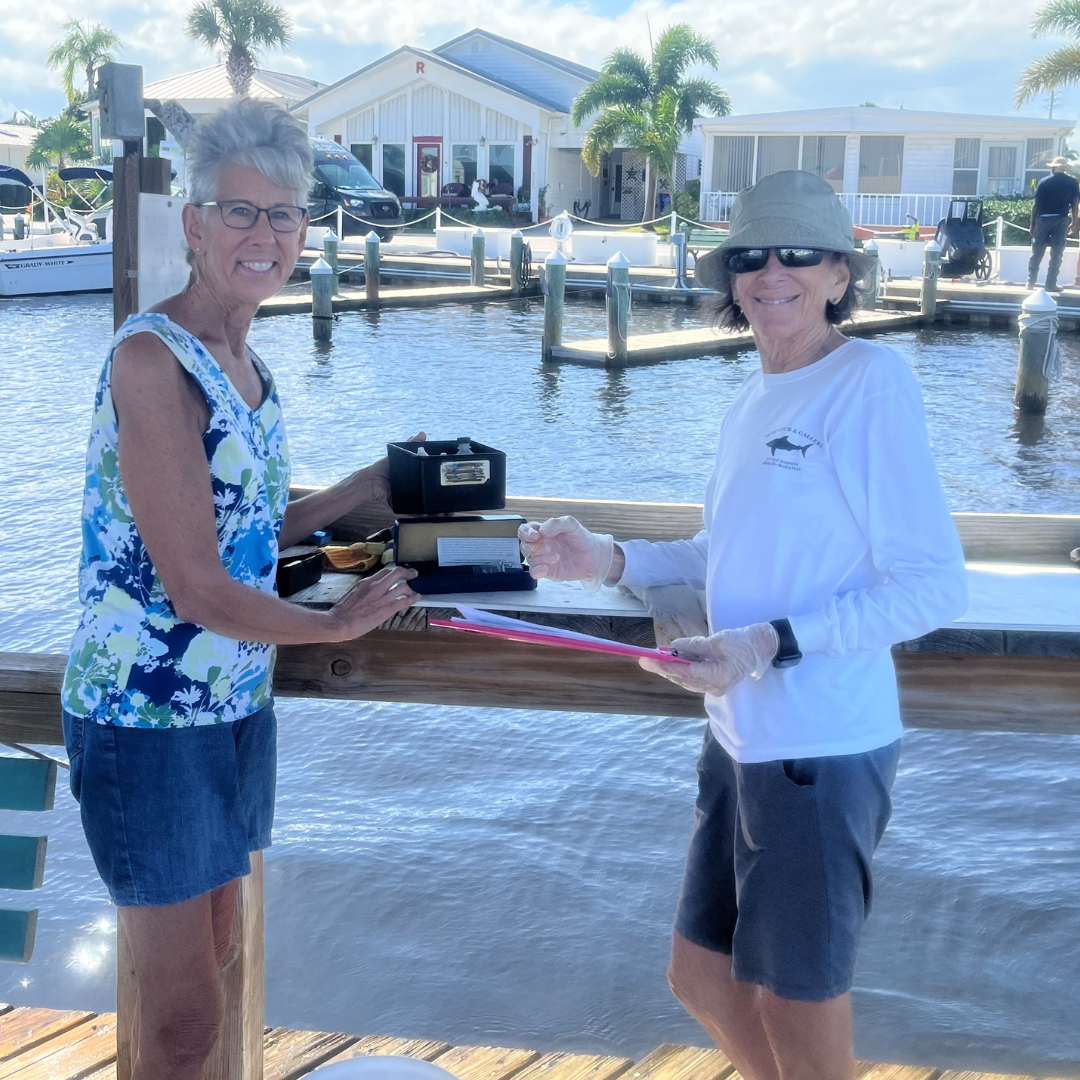
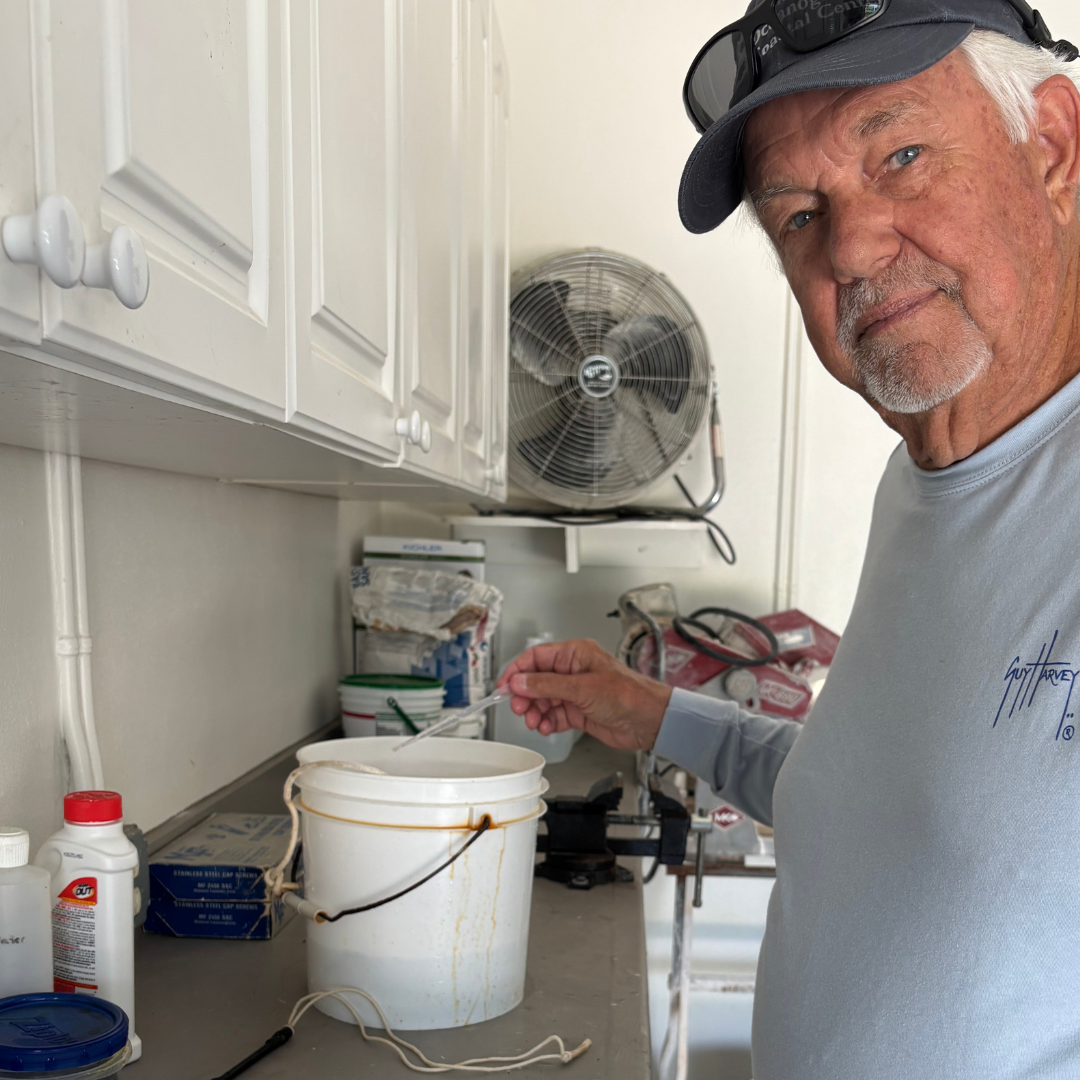
The Florida Oceanographic Society Citizen Science Water Quality Monitoring Program assess long-term trends and changes in the water quality of the St. Lucie Estuary and the southern Indian River Lagoon. Volunteer-collected data provides more frequent sampling across a broader network of stations. With the support of dedicated volunteers, Florida Oceanographic has been monitoring local waters quality since 1998.
Volunteers receive training, are loaned equipment, and conduct weekly water quality testing year-round. Data is reported and published on Florida Oceanographic’s website and shared with local media outlets each week, providing ongoing updates on the health of our estuary. Volunteers must be at least 18 years old, a year-round resident, registered as a Florida Oceanographic Volunteer, and complete orientation and hands-on training. Volunteers must be able to commit to weekly testing and accurately collect and record data according to established protocols. A one-year commitment is required.
If you are interested in volunteering for this program please complete our Water Quality Questionnaire here.