What the Ais Can Teach Us About Oysters, Water and the Natural World
Long before the Indian River Lagoon was surrounded by cities, bridges, docks and homes, its shores were home to Indigenous people who knew the rhythms of the water intimately.
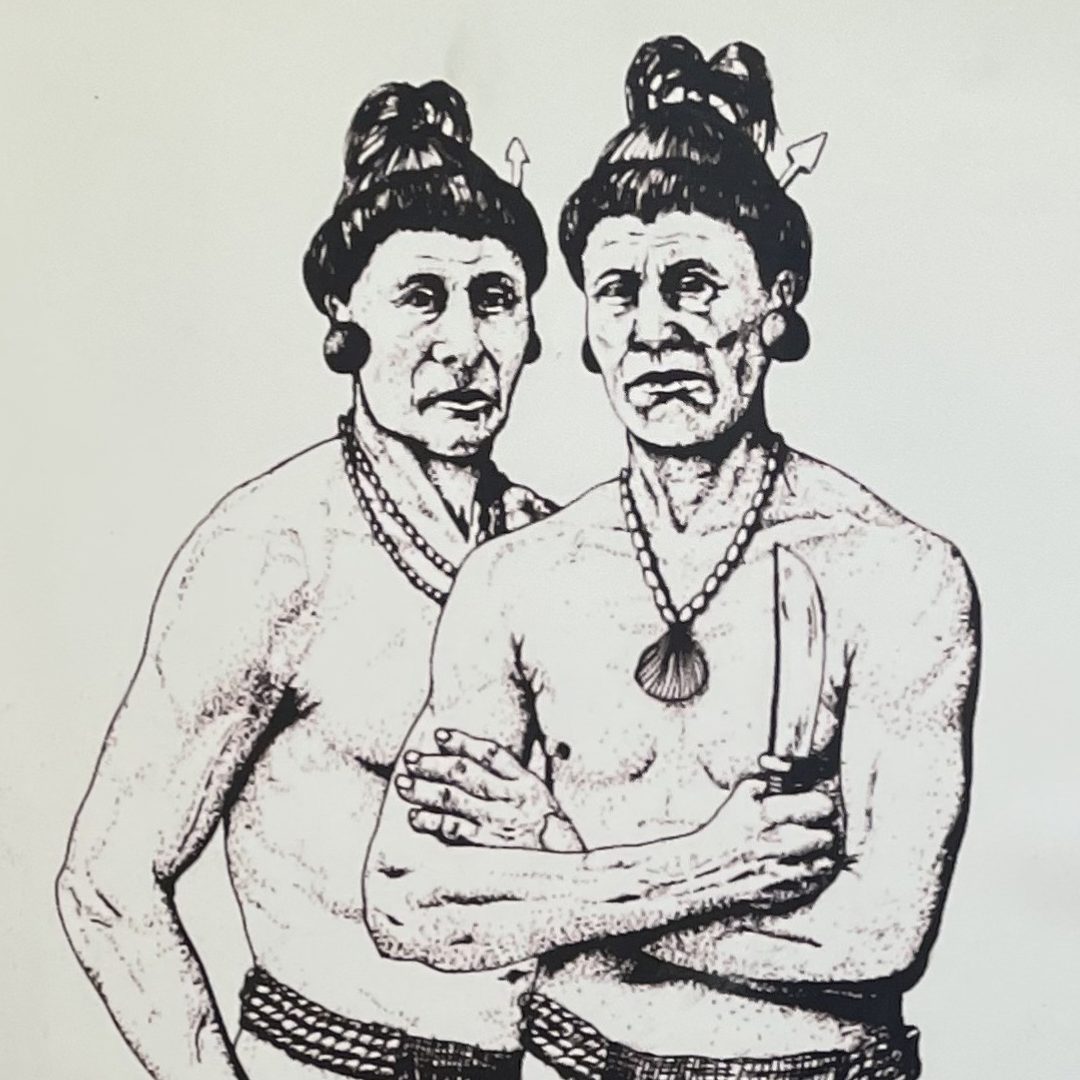
Among them were the Ais, a coastal people whose territory extended along Florida’s Atlantic coast and the Indian River region. For generations, they lived in close relationship with the lagoon, relying on its fish, shellfish and other resources for food and daily life.
Today, we can still find evidence of that relationship in the landscape — particularly in the enormous piles of oyster shells known as shell middens.
These middens are more than archaeological sites. They are records of a relationship between people and place, built one shell at a time.
A lagoon that provided
For the Ais and other Indigenous peoples who lived along Florida’s east coast, the lagoon was not simply a body of water separating communities from the ocean. It was home, highway, pantry and workplace.
Archaeological evidence shows that Indigenous communities along the Indian River region had been fishing and collecting shellfish for thousands of years. Excavations have uncovered oysters, clams, whelks, fish and other remains, providing a glimpse into the remarkable productivity of the estuary.
At some sites, oysters make up a remarkable proportion of the shellfish remains. At the Blue Goose Midden, for example, oysters accounted for a majority of the identified shellfish assemblage, offering evidence of just how important these animals could be to communities living along the lagoon.
Oysters weren't just something found in the water. They were part of the landscape and part of everyday life.
And when the oysters were eaten, their shells remained.
The stories written in shell
A midden is essentially a long-term accumulation of discarded materials, including food remains. Along Florida's coast, some Indigenous middens grew into enormous mounds over generations.
To us, a pile of shells might look like waste.
To an archaeologist, it can be a record.
The shells can reveal what people ate, where they lived, how long a site was occupied and what animals were available in the surrounding environment. Archaeologists can even study the condition of oyster shells to help determine whether they were collected alive for food or gathered after the oysters had already died. Research at archaeological sites elsewhere in Florida has demonstrated how this type of evidence can reveal patterns of Indigenous oyster harvesting.
Some of the great shell mounds that once lined Florida's Atlantic coast survived for centuries or even millennia. Others were later destroyed, with their shells removed and used for roads and other construction.
In that sense, the middens represent something more than the remains of meals. They are physical evidence of how closely human communities were connected to the productivity of the estuary.
Oysters are more than food
There is another lesson hidden within those shells.
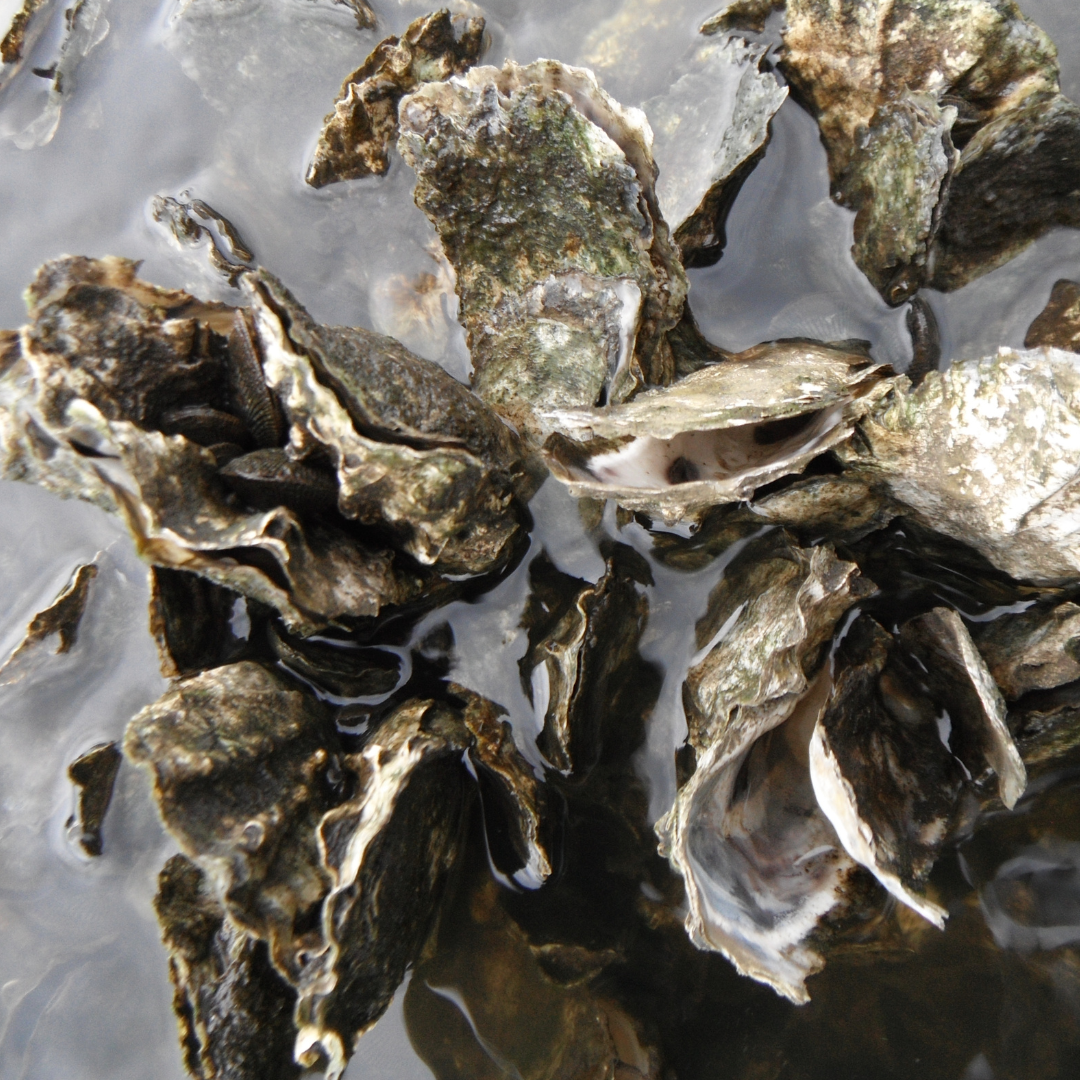
Today, we understand that oysters are ecosystem engineers. An oyster reef isn't simply a collection of individual oysters. It is habitat.
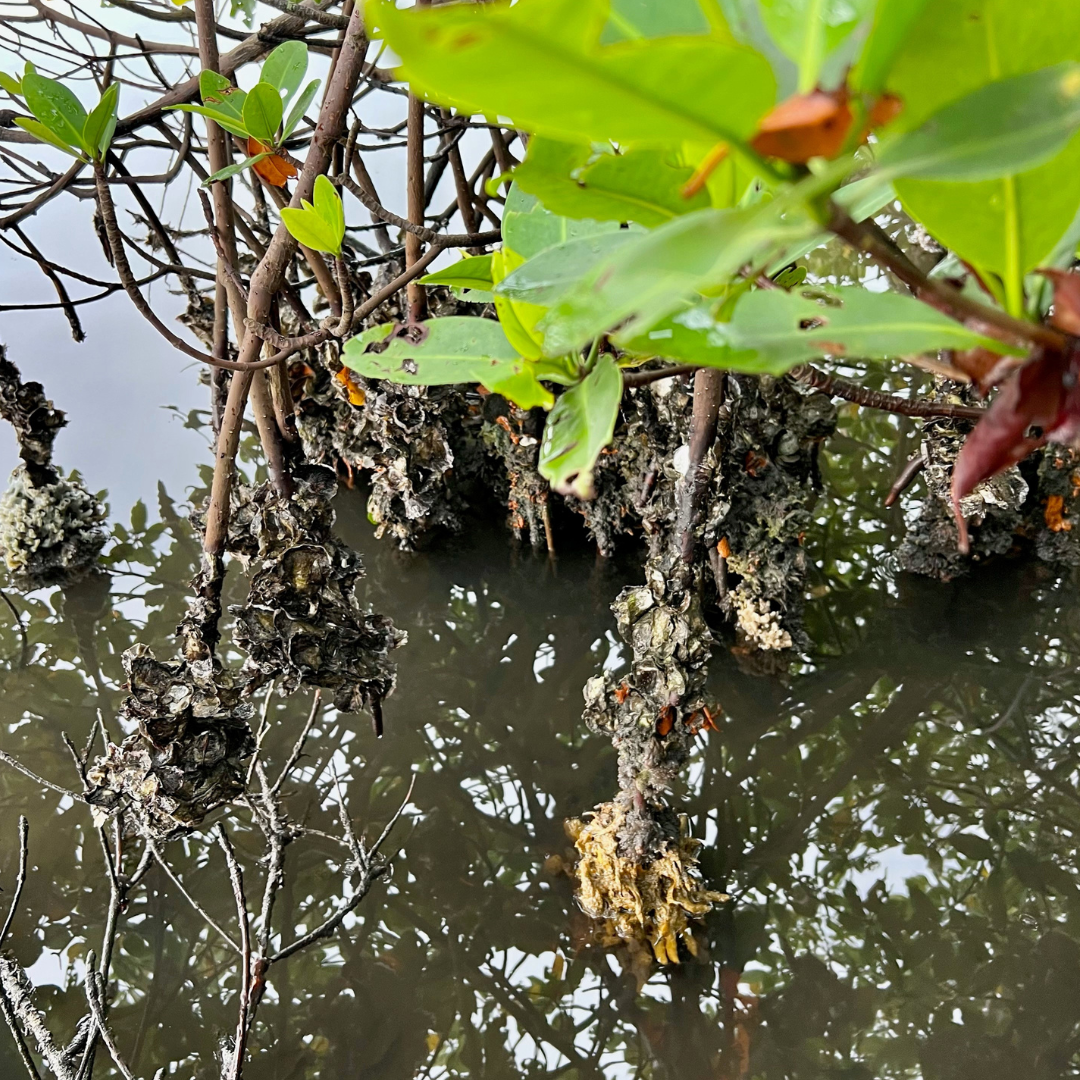
Oyster reefs provide structure for other organisms and are part of the complex web of life within an estuary. The Indian River Lagoon contains oyster reefs alongside seagrass beds, mangroves and other habitats that support an extraordinary diversity of life.
In other words, an oyster is both an individual animal and part of something much larger.
That may be one of the most important connections we can make between the past and the present.
The people living along the lagoon thousands of years ago depended upon the productivity of the ecosystem. Today, we are learning just how interconnected that ecosystem really is.
Healthy oysters depend upon healthy water.
Healthy water supports seagrass.
Seagrass provides habitat for fish and countless other organisms.
Those animals support birds, larger fish, turtles, dolphins and people.
No point exists in isolation.
A lesson in abundance — and limits
It can be tempting to look at enormous shell middens and assume that Indigenous people simply harvested without limits.
The archaeological record gives us a more complicated story.
Evidence indicates that Indigenous people harvested shellfish from productive areas, and archaeological evidence suggests that some sites were harvested until the shellfish became too small to collect. People then moved to another harvesting area, allowing the previously used area time to recover.
We should be cautious about turning this into a simple modern conservation story. Indigenous societies were diverse, and archaeological evidence cannot tell us everything about their intentions or beliefs.
But it does show something important:
People paid attention to the productivity of the places they depended upon.
They knew where resources could be found. They understood seasonal patterns. They moved through the landscape. And their survival depended upon recognizing when a place could provide — and when it needed time.
That is a lesson that still resonates today.
What happened to the oysters?
The story of oysters in Florida didn't end with the Ais.
The oyster reefs that once supported generations of people have faced enormous changes as Florida's coastal population has grown. Today, the Indian River Lagoon is surrounded by more than a million people, and the estuary faces pressures from development, altered water flow, pollution, excess nutrients, habitat loss and climate change.
Scientists are now working to understand the lagoon at scales that the Ais could never have imagined — examining everything from oyster reefs and seagrass beds to the microscopic organisms living within the sediment.
The Smithsonian Marine Station, for example, has conducted long-term research on the lagoon's benthic communities and continues to study the relationships between organisms and their environment.
In some ways, the questions are remarkably familiar:
What lives here?
Where does it thrive?
What does it need?
What happens when the environment changes?
And what happens to us when the ecosystem changes?
Looking at the lagoon differently
Perhaps the greatest lesson the Ais can offer us isn't about how to harvest an oyster or how many oysters someone should collect.
It is about how we see a place.
If we see the Indian River Lagoon simply as water, we might see a place to boat, fish or build along.
If we see it as an ecosystem, we begin to notice the relationships.
The oyster reef becomes habitat.
The seagrass meadow becomes a nursery.
The mangroves become shelter.
The shoreline becomes a living boundary between land and water.
And the lagoon itself becomes something much bigger than the sum of its parts.
The Ais lived in a world where the health of their community was inseparable from the productivity of the waters around them. We live in a very different world, with different technologies, pressures and challenges. But our dependence on healthy coastal ecosystems has not disappeared.
Every oyster reef, every blade of seagrass and every fish swimming through the lagoon is part of the same connected system.
The shells left behind by people who lived here centuries ago remind us of that connection.
They are evidence of meals, communities and generations — but they can also invite us to ask a question that remains just as important today: What kind of relationship do we want to have with the waters that sustain us?
The Ais left their answer scattered along the shores of the lagoon, one oyster shell at a time.